




















The Evolving Definition of a Computer in 2026
This guide covers everything about what is computers. What are computers? As of April 2026, the answer extends far beyond the desktop boxes that dominated homes and offices just a decade ago. Today, computers are ubiquitous, integrated into everything from our smartphones and smartwatches to advanced industrial machinery and sophisticated AI systems. At their core, computers are electronic devices designed to receive, process, store, and output data according to a set of instructions known as a program. Their fundamental role remains data manipulation, but the scale, speed, and integration have advanced exponentially.
Last updated: April 27, 2026
- Computers, as of 2026, are electronic devices that process data using input, processing, storage, and output functions.
- Key hardware components include the CPU, RAM, storage devices, and input/output peripherals.
- Software, comprising operating systems and applications, provides the instructions that enable hardware to perform tasks.
- The evolution of computers has led to diverse forms like desktops, laptops, servers, smartphones, and embedded systems.
- Understanding computer fundamentals is crucial for navigating our increasingly digital world.
Essentially, a computer takes raw data (input), performs calculations or operations on it (processing), saves it for later use (storage), and presents the results (output). This cycle underpins every function, from sending an email to running complex scientific simulations. The sophistication of modern computing, especially with advancements in areas like quantum computing and AI, continues to redefine what’s possible.
Core Components: The Hardware Foundation
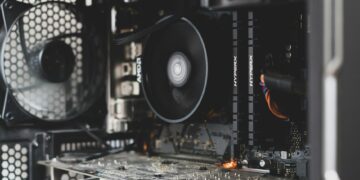
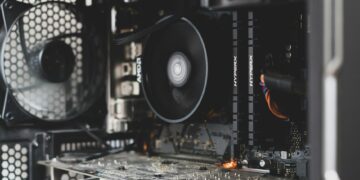
Every computer, regardless of its form factor, relies on a set of essential hardware components working in concert. These physical parts are the machinery that brings software to life. Understanding these building blocks is key to grasping what a computer truly is.
The Central Processing Unit (CPU): The Brain
The CPU, often called the processor, is the primary component responsible for executing instructions and performing calculations. It fetches instructions from memory, decodes them, and then executes them at incredible speeds. Modern CPUs, like those from Intel and AMD, can contain billions of transistors, enabling them to handle complex tasks simultaneously through multi-core architectures and advanced instruction sets. As of 2026, the performance of CPUs is often measured in Gigahertz (GHz) and the number of cores, with higher figures generally indicating greater processing power.
Random Access Memory (RAM): The Workspace
RAM is the computer’s short-term memory. It’s a volatile type of memory that stores data and program instructions that the CPU needs to access quickly. The more RAM a computer has, the more tasks it can handle simultaneously without slowing down. For demanding applications in 2026, such as video editing or large-scale data analysis, systems often feature 32GB, 64GB, or even more RAM. According to Gartner (2023), the demand for higher capacity RAM in workstations and personal computers has steadily increased, driven by AI and complex software development.
Storage Devices: Long-Term Memory
Unlike RAM, storage devices retain data even when the power is off. These include Hard Disk Drives (HDDs) and Solid State Drives (SSDs). SSDs, which use flash memory, are significantly faster than HDDs, leading to quicker boot times and application loading. As of April 2026, NVMe SSDs offer the fastest storage speeds for consumer devices, with capacities ranging from hundreds of gigabytes to several terabytes. For long-term archival, cloud storage solutions and high-capacity external drives are also prevalent.
Input and Output (I/O) Devices
Input devices allow users to send data and commands to the computer. Common examples include keyboards, mice, touchscreens, microphones, and scanners. Output devices, conversely, present processed data to the user. These include monitors, printers, speakers, and projectors. The integration of haptic feedback in input devices and high-resolution, adaptive displays in output devices represent key trends in 2026.
The Role of Software: Instructions and Intelligence
Hardware provides the physical capability, but it’s software that tells the computer what to do. Software is a set of instructions, data, or programs used to operate computers and execute specific tasks. It’s broadly categorized into system software and application software.
System Software: The Foundation
System software manages the computer’s hardware and provides a platform for application software to run. The most critical piece of system software is the Operating System (OS). Popular operating systems as of 2026 include Microsoft Windows, macOS, and various Linux distributions for desktops and laptops, and Android and iOS for mobile devices. The OS handles tasks like memory management, process scheduling, file management, and user interface presentation.
Application Software: The Tools
Application software, often simply called apps or programs, are designed to perform specific user-oriented tasks. This includes word processors, web browsers, video games, photo editors, and specialized business software. The diversity of applications available continues to grow, powered by advances in programming languages and development tools.
How Computers Process Information: The Data Cycle
The fundamental process by which computers handle information is often described by the Input-Process-Output-Storage (IPOS) cycle. Let’s examine this in more detail:
- Input: Data is entered into the computer through input devices. This could be typing text, clicking a mouse, speaking into a microphone, or receiving data from a sensor.
- Processing: The CPU performs operations on the input data based on instructions from software. This involves arithmetic operations, logical comparisons, and data movement.
- Output: The processed data is presented to the user or sent to another device. This might be displaying text on a screen, playing audio through speakers, or sending a signal to a printer.
- Storage: The input data, processed data, or output results can be stored on storage devices for future retrieval or use.
Consider a simple example: when you type a letter in a word processor, the keyboard (input device) sends signals to the CPU. The CPU, following instructions from the word processing software and the OS, processes these signals and sends the image of the letter to the graphics card, which displays it on your monitor (output device). The document itself is saved to your SSD (storage device) when you hit ‘save’.
The Diverse Forms of Computers Today
The concept of ‘computer’ has broadened significantly. Beyond the traditional desktop, several forms exist, each tailored for specific needs:
Personal Computers (Desktops & Laptops)
These remain staples for work and personal use. Desktops offer modularity and power, while laptops provide portability. As of April 2026, the market sees a strong emphasis on energy efficiency, advanced display technologies, and integration with cloud services.
Servers
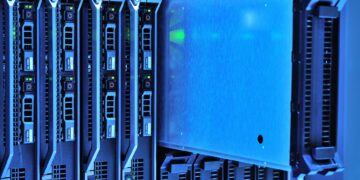
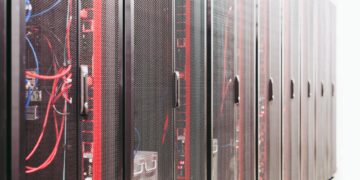
Servers are powerful computers designed to provide services and resources to other computers over a network. They power websites, manage databases, handle email, and run enterprise applications. Cloud computing has led to a massive increase in the demand for data center servers. According to Statista (2024 data), the global server market continues its upward trajectory, fueled by AI and big data analytics.
Mobile Devices (Smartphones & Tablets)
These pocket-sized computers are the most personal computing devices for billions worldwide. They combine communication, computing, and extensive application ecosystems.
Embedded Systems
These are computers integrated into other devices to perform specific functions. Examples include the computers controlling your car’s engine, a washing machine, or a smart thermostat. They are often designed for reliability and efficiency in a single task.
Practical Tips for Maximizing Your Computer’s Potential
Understanding what a computer is helps us use it more effectively. Here are a few practical tips:
- Manage Your RAM: Close applications you’re not actively using, especially on laptops, to free up RAM for demanding tasks.
- Optimize Storage: Regularly clean up unnecessary files and consider using cloud storage or external drives for less frequently accessed data to keep your primary SSD fast.
- Keep Software Updated: Operating system and application updates often include performance improvements and critical security patches. As of 2026, staying current is more important than ever for cybersecurity.
- Understand Your CPU Usage: Use task manager tools to identify which applications are consuming the most CPU resources. This can help diagnose performance issues.
- Use Keyboard Shortcuts: Learning shortcuts for your most-used applications can dramatically speed up your workflow, using the computer’s processing power more efficiently.
Frequently Asked Questions
What’s the difference between hardware and software?
Hardware refers to the physical components of a computer, such as the CPU, RAM, monitor, and keyboard. Software, on the other hand, consists of the intangible instructions, programs, and data that tell the hardware what to do and how to do it.
How do computers get faster over time?
Computers get faster through advancements in hardware technology, such as smaller and more efficient transistors leading to faster CPUs and GPUs, increased RAM speeds and capacities, and quicker storage interfaces like NVMe SSDs. Software optimizations also play a role, allowing programs to use hardware more effectively.
Is a smartphone considered a computer?
Yes, absolutely. A smartphone is a highly sophisticated mobile computer. It contains a CPU, RAM, storage, and runs an operating system and applications, capable of performing a vast array of computing tasks, from browsing the web to complex data processing.
What is the role of artificial intelligence in modern computers?
AI is increasingly integrated into computer systems, enabling features like predictive text, personalized recommendations, voice assistants, and advanced data analysis. It allows computers to perform tasks that traditionally required human intelligence, enhancing user experience and operational efficiency.
How important is cybersecurity for computer users in 2026?
Cybersecurity is critically important in 2026. With more of our lives lived online and sophisticated threats evolving rapidly, protecting personal data, financial information, and system integrity requires constant vigilance, updated software, and secure practices.
Conclusion: The Indispensable Digital Engine
What are computers? They are the engines of the modern digital age. From the complex server farms powering global communication to the tiny processors in our everyday devices, computers are indispensable tools that enable us to process information, communicate, create, and innovate. Understanding their fundamental components and how they operate, even at a high level, empowers us to use them more effectively and Handle the ever-evolving technological world of 2026 and beyond.
Editorial Note: This article was researched and written by the Lead Serve Ads editorial team. We fact-check our content and update it regularly. For questions or corrections, contact us.
Related read: Silicon Valley: What It's Famous For in 2026