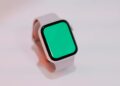



















As of April 2026, the wearable technology market is saturated with advanced smartwatches, each vying for attention with latest features. Amidst this, a question often arises for budget-conscious consumers or those seeking a secondary device: what is Apple Watch 2nd generation? The Apple Watch Series 2, released in September 2016, represents a significant step in Apple’s wearable journey. It introduced key advancements that laid the groundwork for today’s sophisticated Apple Watch models. While it’s a decade younger than the original Apple Watch, understanding its capabilities and limitations in 2026 requires a nuanced look beyond its release date.
Last updated: April 29, 2026
- The Apple Watch Series 2, released in 2016, was the first to feature built-in GPS and enhanced water resistance, a notable upgrade from its predecessor.
- As of April 2026, its software support is limited, meaning it can’t run the latest watchOS versions or access many current apps.
- Despite its age, the Series 2 remains functional for basic tasks like notifications, fitness tracking, and contactless payments (Apple Pay) in compatible regions.
- Its performance may feel sluggish compared to modern smartwatches, particularly when running older apps or multitasking.
- For users primarily in the UK seeking a very affordable entry into the Apple ecosystem for basic smartwatch functions, a used Series 2 might be considered, but with significant caveats.
Apple Watch Series 2: A Leap Forward in 2016
When the Apple Watch Series 2 launched, the most significant addition was the integrated GPS, making it a substantial upgrade. This meant users could track runs, walks, and bike rides accurately without needing to carry their iPhone. This was a major shift for fitness enthusiasts. Also, Apple significantly boosted its water resistance, making the Series 2 swim-proof with a 50-meter rating. This opened up new avenues for health tracking, allowing users to monitor their swimming workouts directly from their wrist. The brighter display was also a welcome improvement, enhancing outdoor visibility.
Beyond these headline features, the Series 2 retained the core functionalities that defined the first Apple Watch. It offered notifications, heart rate monitoring, and access to the App Store for third-party applications. However, it’s crucial to remember that these apps were designed for the hardware and software of 2016. According to Apple’s own press release from September 2016, the Series 2 also featured a dual-core processor, which, while faster at the time, pales in comparison to the silicon powering devices in 2026.
What is Apple Watch 2nd Generation’s Software Support in 2026?
This is perhaps the most critical aspect when considering the Apple Watch Series 2 today. Software support is finite for all electronic devices, and the Series 2 is no exception. Apple typically provides watchOS updates for several years, but older hardware eventually falls by the wayside. The Apple Watch Series 2 can currently run up to watchOS 6.3. This means it can’t be updated to the latest versions of watchOS available as of April 2026, which are significantly more advanced.
What does this mean in practical terms? Firstly, many newer applications developed for the latest watchOS versions simply won’t be compatible with the Series 2. You’ll be limited to apps that were available and functional on watchOS 6. This also impacts security. While Apple continues to issue security patches for supported watchOS versions, older, unsupported versions may eventually become vulnerable. According to security researchers, software obsolescence is a growing concern for older connected devices, making it essential to check an Apple Watch’s supported watchOS version before purchasing.
Performance and User Experience in 2026
Running a device from 2016 with modern expectations in 2026 is a recipe for disappointment if not managed correctly. The dual-core processor in the Series 2, while capable in its prime, struggles with the demands of current applications and operating system features. Animations might be less fluid, app loading times longer, and multitasking can feel sluggish. For basic functions like checking the time, receiving notifications, or starting a quick workout, it’s still generally usable. However, attempting to run more complex apps, navigate extensively, or sync large amounts of data can reveal its age.
User reviews from across the internet often highlight this performance drop-off over time. While early adopters in 2016 praised its speed, users in 2026 who are accustomed to the responsiveness of the latest Apple Watch Series 9 or Ultra 2 will find the Series 2 experience considerably slower. It’s akin to comparing a smartphone from 2016 to a flagship model from today; the core functions might be similar, but the speed and efficiency are worlds apart. For instance, initiating Apple Pay on a Series 2 might take a few seconds longer than on a current model.
 ▶
▶
Apple Watch SE 2nd Generation Starlight #unboxing #apple #applewatch #technology
Health and Fitness Tracking: Still Viable?
The built-in GPS and 50-meter water resistance are the Series 2’s strongest suits for health and fitness, even in 2026. For outdoor activities like running or cycling where iPhone-free tracking is desired, the GPS is still functional, though its accuracy might not match the multi-band GPS found in newer devices. For swimmers, the water resistance remains a key advantage, allowing for lap counting and calorie burn estimation. Basic heart rate monitoring is also present, providing a general overview of your cardiovascular activity.
For dedicated athletes or individuals relying on precise, real-time biometric data, the Series 2’s health tracking capabilities are likely to be considered rudimentary by 2026 standards. Newer models offer more advanced sensors, such as ECG, blood oxygen monitoring, and more sophisticated sleep tracking algorithms. The World Health Organization (WHO) emphasizes the importance of continuous health monitoring, suggesting that while older devices offer some utility, newer technology provides more comprehensive insights. For this reason, individuals with serious health concerns should consult official sources regarding the suitability of older wearable technology.
However, for casual users who want to track daily steps, monitor basic workout metrics, or simply get a general sense of their activity levels, the Series 2 can still serve its purpose. Pair it with a compatible iPhone and a suitable version of the Fitness app or third-party alternatives that still support watchOS 6. The ‘Activity’ rings (Move, Exercise, Stand) are a core Apple Watch feature that remains intact.
Connectivity and Compatibility in 2026
The Apple Watch Series 2 requires an iPhone to set up and operate fully. As of April 2026, it’s compatible with iPhones running iOS 13 or later. This means it will work with models ranging from the iPhone 6S up to potentially newer devices, provided they are running a compatible iOS version. This broad compatibility with older iPhones is a positive point for those looking to enter the Apple ecosystem on a tight budget.
Bluetooth connectivity for headphones and Wi-Fi are also present, enabling features like listening to music stored on the watch (though storage capacity is limited compared to newer models) or receiving notifications. Apple Pay, Apple’s contactless payment system, is also supported on the Series 2, which remains a highly convenient feature for quick transactions. However, the speed and reliability of these functions may be impacted by the older hardware and software.
What is Apple Watch 2nd Generation’s Value Proposition Today?
The primary value proposition for the Apple Watch Series 2 in 2026 lies almost exclusively in its affordability, particularly on the second-hand market. If you’re in the UK and searching for a very low-cost entry point into the Apple Watch experience, a used Series 2 might appear tempting. You can often find them for under 50 (check sites like eBay UK or CEX for current prices). For someone who primarily wants to receive notifications, track basic steps, and perhaps use Apple Pay without breaking the bank, it could suffice.
However, this comes with significant compromises. The limited software support, slower performance, and lack of advanced health sensors mean it won’t offer the rich, integrated experience of newer models. If your budget allows, even a refurbished Apple Watch Series 4 or 5 would offer a substantially better experience with broader software compatibility and improved performance. The decision hinges entirely on your priorities: absolute lowest cost versus a more functional and future-proof device.
Practical Tips for Using an Apple Watch Series 2 in 2026
If you do decide to purchase or continue using an Apple Watch Series 2 in 2026, here are some practical tips:
- Manage Expectations: Understand its limitations. Don’t expect the speed or app availability of a 2026 smartwatch.
- Keep it Simple: Stick to core functions: notifications, basic fitness tracking, time-telling, and Apple Pay.
- Check App Compatibility: Before purchasing apps, verify they are compatible with watchOS 6.
- Battery Life: Expect significantly reduced battery life compared to its original performance. Charge it daily, possibly more if you use GPS extensively.
- Pair with Compatible iPhone: Ensure your iPhone meets the iOS 13+ requirement for setup and full functionality.
- Consider a Reset: If performance is particularly poor, performing a factory reset might help optimize its current capabilities, though it won’t overcome hardware limitations.
- Look for Used Deals Carefully: When buying second-hand, ensure the device is unlocked, in good physical condition, and check seller reviews diligently.
Frequently Asked Questions
Can I still get watchOS updates for the Apple Watch 2nd generation?
No, the Apple Watch Series 2 can’t receive updates beyond watchOS 6.3. it’s no longer supported with the latest operating system versions released by Apple as of April 2026.
Is the Apple Watch Series 2 still waterproof?
The Apple Watch Series 2 has a water resistance rating of 50 meters, meaning it’s suitable for shallow-water activities like swimming in a pool or the ocean. However, this resistance can degrade over time, especially on older devices. It’s not recommended for high-velocity water sports, scuba diving, or deep submersion, and exposure to soaps or detergents should be avoided.
Will new apps work on the Apple Watch 2nd generation?
Generally, no. Most new applications are developed for the latest versions of watchOS, which the Series 2 can’t run. You will be limited to older apps that were compatible with watchOS 6 and are still available on the App Store.
How much is an Apple Watch 2nd generation in the UK in 2026?
As of April 2026, prices for a used Apple Watch Series 2 in the UK typically range from 30 to 70, depending on condition, model (e.g., aluminum vs. stainless steel), and seller. Check online marketplaces like eBay UK or CEX for current listings.
Is the Apple Watch Series 2 worth buying in 2026?
For most users in 2026, the Apple Watch Series 2 is likely not worth buying due to its outdated software, slow performance, and limited functionality compared to modern smartwatches. However, it might be considered a very budget-friendly option for basic notification mirroring and step tracking if your financial constraints are extreme.
Conclusion: A Legacy Device with Limited Present-Day Utility
So, what is Apple Watch 2nd generation in the context of 2026? It’s a testament to Apple’s early innovation in the wearable space, boasting features like built-in GPS and swim-proofing that were groundbreaking at its release. However, as of April 2026, its relevance is significantly diminished. The lack of current software support, coupled with performance limitations and the absence of advanced health sensors found in newer models, makes it a challenging recommendation for most consumers. While its low price on the second-hand market might appeal to the most budget-conscious individuals, especially in regions like the UK, so it’s crucial to weigh this against the considerable compromises. For a truly functional and integrated smartwatch experience in 2026, investing in a newer, supported model is strongly advised.