






















Computers for Beginners in 2026: Your First Steps
Starting with computers for beginners can feel overwhelming, but it doesn’t have to be. As of April 2026, the world offers more intuitive options than ever. This guide cuts through the jargon to help you confidently choose and use your first device. Many people assume that computers are inherently complicated. However, by focusing on core concepts and practical applications, anyone can become comfortable with their digital tools.
Last updated: April 27, 2026
- As of April 2026, choosing between a laptop and a desktop depends on your primary use case and portability needs.
- Understanding basic hardware components like the CPU, RAM, and storage helps in making informed purchasing decisions.
- Operating systems such as Windows and macOS offer distinct user interfaces and software ecosystems, with ChromeOS being a simpler alternative for web-based tasks.
- Basic cybersecurity practices, like strong passwords and software updates, are crucial for protecting your new computer.
Many people believe that the latest technology is only for the tech-savvy, but that’s a myth. In reality, modern computers are designed with user-friendliness in mind. Whether you’re looking to browse the web, connect with loved ones, manage finances, or explore new hobbies, your first computer can be a powerful ally. This article aims to demystify the process, providing a clear roadmap for anyone new to the world of personal computing.
What Should I Consider When Buying My First Computer?
The first step in acquiring computers for beginners is understanding your own needs. Are you looking for a device to carry around, or will it stay on a desk? This fundamental question helps narrow down the choice between a laptop and a desktop. Laptops offer portability, allowing you to work or play from anywhere. Desktops, on the other hand, often provide more power for the price and a more ergonomic setup with a separate monitor and keyboard, but they are stationary.
Beyond portability, consider the primary tasks you’ll perform. For simple web browsing, email, and word processing, most entry-level machines will suffice. If you plan on more demanding activities like photo editing, video streaming in high definition, or casual gaming, you’ll need to look at specifications that support these functions. According to the U.S. Federal Trade Commission (2023), identifying your usage pattern is the most critical factor before comparing models.
Understanding Essential Computer Components
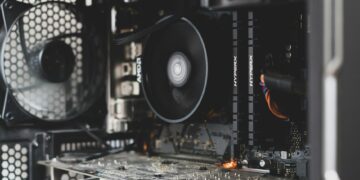
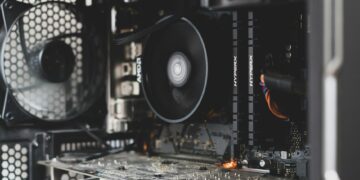
Demystifying computer hardware is key to feeling confident. Think of these as the building blocks of your machine. The Central Processing Unit (CPU) is the brain, performing calculations and running programs. More cores and a higher clock speed generally mean faster performance. Random Access Memory (RAM) is the computer’s short-term memory; more RAM allows you to run more applications simultaneously without slowdown. As of April 2026, 8GB of RAM is a good starting point for general use, while 16GB is recommended for smoother multitasking and more demanding applications.
Storage is where your files and programs are kept. You’ll typically see two types: Hard Disk Drives (HDDs) and Solid State Drives (SSDs). SSDs are significantly faster than HDDs, leading to quicker boot times and application loading. For beginners, an SSD is highly recommended, even if it means slightly less storage capacity for the same price. A 256GB SSD is a common and often sufficient option for basic users. The Graphics Processing Unit (GPU) handles visual output; for most beginners, the integrated graphics on the CPU are perfectly adequate, but dedicated GPUs are necessary for serious gaming or professional graphics work.
Choosing an Operating System: Windows, macOS, or ChromeOS?
The operating system (OS) is the software that manages your computer’s hardware and software resources, and it dictates how you interact with your device. The three dominant players are:
- Windows: Developed by Microsoft, Windows is the most widely used OS globally. It offers broad software compatibility and is found on a vast range of hardware from various manufacturers. Its flexibility makes it a popular choice for both home and business users.
- macOS: Exclusive to Apple’s Mac computers, macOS is known for its user-friendly interface, strong security features, and integration with other Apple devices. It’s often favored by creative professionals.
- ChromeOS: Developed by Google, ChromeOS is designed primarily for web-based tasks and runs on Chromebooks. It’s known for its simplicity, speed, and strong security. Applications are mainly run through the web browser or Google Play Store. For many users whose primary needs involve browsing, email, and document creation using cloud-based tools, ChromeOS offers an excellent, often more affordable, option.
For computers for beginners, the choice often comes down to personal preference and existing ecosystem. If you’re already invested in Apple products, a Mac might feel more natural. If you want the widest variety of hardware choices and software support, Windows is a solid bet. If simplicity and web-centric computing are your priorities, a Chromebook could be ideal. According to Statista (as of Q4 2025), Windows continues to hold the largest market share, but macOS and ChromeOS are significant contenders.
Getting Connected: Internet and Peripherals
Once you have your computer, connecting it to the internet is usually the next step. Most modern computers come with Wi-Fi capabilities, allowing you to connect wirelessly to your home network. You’ll need an Internet Service Provider (ISP) and a Wi-Fi router for this. If your computer doesn’t have built-in Wi-Fi or you prefer a wired connection for stability, you can use an Ethernet cable to connect directly to your router. Reliable internet connectivity is vital for everything from software updates to browsing and communication.
Beyond the internet, you might need peripherals. A mouse and keyboard are standard for desktops and often included with pre-built systems. For laptops, you might want an external mouse for more comfortable long-term use. Other common peripherals include webcams (many laptops have these built-in), printers, and external hard drives for backup. When selecting peripherals, ensure they are compatible with your computer’s operating system.
Basic Cybersecurity for New Computer Users
Protecting your new computer is paramount, and basic cybersecurity practices are not as complex as they might sound. First, ensure your operating system and all software are set to update automatically. These updates often contain critical security patches that fix vulnerabilities. According to the Cybersecurity and Infrastructure Security Agency (CISA), keeping software updated is one of the most effective defenses against malware.
Use strong, unique passwords for your accounts and your computer’s login. Avoid using easily guessable information like birth dates or common words. Consider using a password manager to help you create and store complex passwords. Be cautious of suspicious emails, links, and downloads. If an offer seems too good to be true, it probably is. Never share personal information like your bank details or social security number via email or unverified websites. These simple habits can significantly reduce your risk of encountering online threats.
Your First Steps into the Digital World
Starting with computers for beginners is an exciting journey. By understanding your needs, getting familiar with the basic components, choosing an operating system that suits you, and taking basic security measures, you’re well on your way. Don’t be afraid to explore and learn. Many resources are available, including online tutorials and support forums, should you encounter questions.
For example, if you’re considering a laptop for school, focus on battery life and weight, alongside processing power. A machine that’s too heavy or dies quickly will hinder your productivity far more than a slightly slower processor. Always prioritize the features that directly impact your daily use.
As of April 2026, the cost of entry-level computers remains accessible, with many capable laptops and desktops available for under $500. However, remember that the cheapest option isn’t always the best value. Consider longevity and your future needs when making your investment. The goal is to find a reliable tool that empowers you to achieve your digital goals.
Frequently Asked Questions
What is the easiest computer for a beginner to use?
For many beginners, a Chromebook running ChromeOS is considered the easiest to use due to its simple, intuitive interface and focus on web-based applications. Alternatively, Apple’s macOS on a MacBook is also very user-friendly, especially if you’re already familiar with iPhones or iPads.
Do I need to buy antivirus software for a new computer in 2026?
For Windows users, the built-in Microsoft Defender Antivirus is quite capable and offers good protection for everyday use. MacOS and ChromeOS have strong built-in security features that generally don’t require additional third-party antivirus software for most users.
How much RAM do I need for a beginner’s computer?
As of April 2026, 8GB of RAM is a sufficient starting point for most beginner tasks like web browsing, email, and document editing. If you plan on multitasking more heavily or using more demanding applications, 16GB would provide a smoother experience.
What’s the difference between a laptop and a desktop computer?
A laptop is an all-in-one portable computer with a built-in screen, keyboard, and battery. A desktop computer is typically a stationary system consisting of a separate tower (containing the main components), monitor, and keyboard, often offering more power and upgradeability for the price.
Should I buy a brand-name computer or assemble one myself?
For beginners, buying a pre-built computer from a reputable brand like Dell, HP, Apple, or Lenovo is highly recommended. Assembling a PC yourself requires technical knowledge and can be complex, whereas pre-built systems come ready to use out of the box.
Conclusion
Embarking on your computer journey in 2026 is an accessible and rewarding effort. By focusing on your specific needs, understanding the basic hardware and software options, and prioritizing security, you can select a device that serves you well for years to come. The digital world is at your fingertips; take that first step with confidence.
Related read: How Computers Work: Beyond the Black Box in 2026
Editorial Note: This article was researched and written by the Lead Serve Ads editorial team. We fact-check our content and update it regularly. For questions or corrections, contact us.